Understanding the Role of a Commercial General Contractor in Achieving Superior Building Outcomes
A commercial general contractor is essential to the building sector. They ensure projects meet deadlines and stay within financial limits. Their role involves handling complex schedules and organizing numerous stakeholders. This integration is fundamental for maintaining quality and safety standards. Understanding their responsibilities reveals how they influence project outcomes. What specific strategies do they employ to handle difficulties and ensure positive results?
The Importance of a Commercial General Contractor
Although some may misjudge their importance, a commercial general contractor is essential to the success of building projects. Functioning as the central point of contact, these professionals guarantee that various aspects of construction are seamlessly integrated. Their expertise encompasses more than just project management, including clear stakeholder communication, including clients, subcontractors, and suppliers. By overseeing timelines, budgets, and resource allocation, they mitigate risks and streamline operations.
Additionally, commercial general contractors manage complicated legal frameworks, confirming conformity with local building regulations and safety rules. Their experience in conflict resolution and handling issues is extremely valuable, particularly when sudden issues crop up during construction. Ultimately, a skilled commercial general contractor promotes teamwork, improves efficiency, and boosts the project's overall quality. Their pivotal role lays the groundwork for successful outcomes, making them integral to any building endeavor, regardless of scale or complexity.
Key Responsibilities of a Commercial General Contractor
While supervising a construction effort, a commercial general contractor takes on numerous crucial duties that are critical for a positive outcome. First and foremost, they oversee project timelines, guaranteeing that timelines are adhered to and that the project progresses as planned. They also control the budget, regulating spending and making sure funds are distributed effectively.
The contractor is also accountable for recruiting and coordinating sub-trades, choosing skilled experts for specialized tasks such as piping and wiring tasks. They guarantee compliance to local construction standards and safety rules, mitigating risks associated with building operations.
Furthermore, a commercial general contractor is responsible for securing necessary permits and licenses to enable the building process. They conduct regular site inspections to track quality and project advancement, dealing with concerns that arise without delay. In essence, their function is to ensure that the work adheres to specifications, meets the deadline, and is delivered within budget.
Managing Coordination and Communication in Building Projects
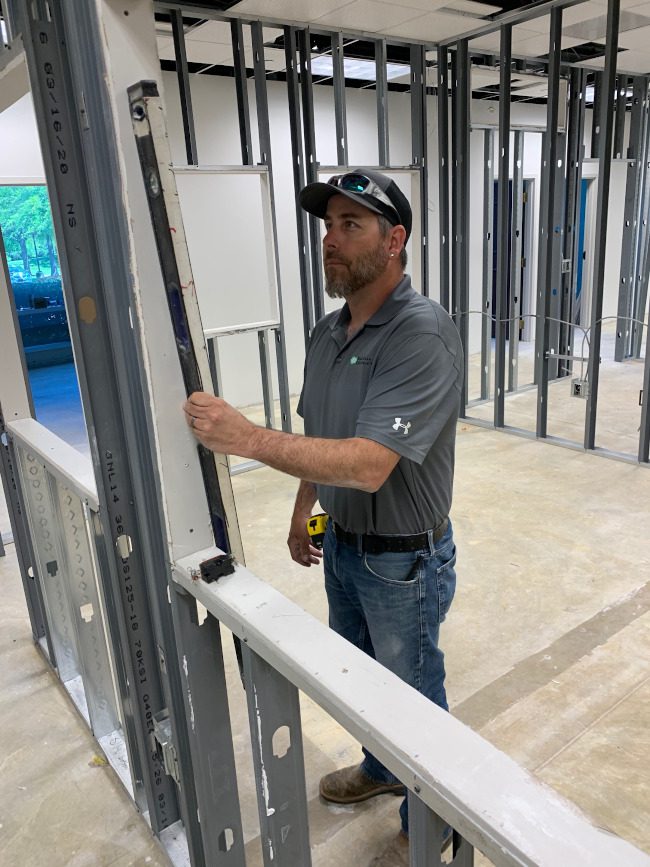
Successful coordination and communication are vital components in the favorable outcome of construction endeavors, as they ensure all parties are in agreement with the project's aims and deadlines. A commercial general contractor is instrumental in aiding this coordination by setting up defined communication channels among clients, architects, suppliers, and subcontractors. They guarantee that current data regarding changes, project status, and potential problems are communicated promptly and effectively.
Routine meetings and progress reports are essential to this process of coordination, allowing for the timely resolution of conflicts and the modification of timelines when required. The contractor's ability to foster collaboration among different parties boosts the project's overall effectiveness and minimizes misunderstandings. The adoption of project management tools and software can streamline communication, ensuring all participants can access to the most current information. Effective communication and coordination culminate in improved project outcomes and stakeholder satisfaction in the construction industry.
Budget Management and Financial Oversight
Budget management and financial oversight are essential to the favorable realization of construction work, ensuring that resources are allocated efficiently and costs are controlled. A commercial general contractor is key in this process by establishing precise budgets based on client expectations and the project's scope. They monitor expenditures throughout the project lifecycle, noting discrepancies and implementing required changes to steer clear of exceeding the budget.
The contractor also collaborates with subcontractors and suppliers to bargain contract terms, ensuring competitive pricing while preserving high quality. Regular financial reporting and forecasting allow stakeholders to be kept up-to-date and make timely decisions. By implementing stringent financial controls, the contractor mitigates risks associated with unexpected costs, maintaining the project's financial health. In the end, effective budget management and financial oversight improve the feasibility of the project but also cultivate a reliable relationship with the client, leading to the successful conclusion of the project.
Ensuring Safety and Quality Standards
A comprehensive strategy for guaranteeing safety and quality is essential in the construction industry, where the stakes are high and the margins for error are slim. Commercial general contractors play a pivotal role in establishing strict safety guidelines and quality control procedures throughout the project lifecycle. They are responsible for adhering to industry standards, local codes, and best practices, which minimizes project risks and boosts the project's overall quality.
To achieve this, contractors often conduct regular site inspections, check that safety procedures are followed, and provide ongoing training for workers. Contractors partner with reputable subcontractors and vendors who share a commitment to quality, guaranteeing that labor and supplies adhere to set standards. By fostering a culture of safety and quality, commercial general contractors not only protect their workforce but also increase the permanence and strength of their structures, ultimately leading to successful project outcomes and satisfied clients.
Questions and Answers
What Experience is Necessary in a General Contractor?
When hiring a commercial builder, one should consider their licenses, insurance, experience, references, and project portfolio - Hickory top rated Commercial General Contractor. Moreover, clear communication capacity and a proven track record of managing budgets and timelines are vital for delivering a project successfully
How Should I Go About Picking the Right Contractor for My Project?
In order to choose the best contractor, one should assess their background, verify past clients, look at previous work, validate insurance and licensing, and ensure open lines of communication. A thorough interview process can help determine compatibility with project goals.
What Difficulties Do Commercial General Contractors Often Encounter?
Commercial general contractors often face challenges such as regulatory hurdles, labor scarcity, budget pressures, scheduling problems, and subcontractor management. These issues can impact project timelines, costs, and overall quality if not effectively professional advice addressed throughout the process.
What is the Contractors' Approach to Unforeseen Problems During Building?
When faced with unforeseen problems, contractors typically respond by quickly evaluating the situation, formulating alternative solutions, and keeping all parties informed. Hickory top rated Commercial General Contractor. They often rely on teamwork and their experience to put solutions into place, making sure there is minimal disruption to the project's timeframe and financial plan
What Is the Usual Schedule for a Commercial Building Project?
The usual duration for a commercial construction project spans several months to a few years, based on factors such as the project's extent, complexity, permitting processes, and the labor and material availability.